Source Light Mint Floating Skagit Tips for Fly Fishing, Stream Fishing, and Trout Fishing
Find and compare 30 listings for light mint floating skagit tips designed for precision casting. These tips are available in various materials including plastic and rubber, with options for manual or electric use. Buyers can review specifications such as volume, sterilization, and packaging to select the right gear for their needs.
Key considerations
Products List







Comprehensive Sourcing Guide
Light Mint Floating Skagit Tips Sourcing Guide
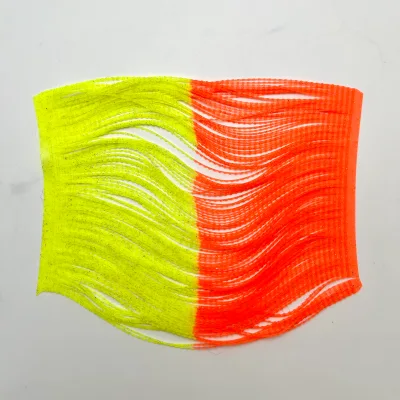
Sourcing specialized fly fishing accessories like light mint floating Skagit tips requires a nuanced understanding of both the specific performance characteristics of the product and the broader landscape of fishing tackle manufacturing. Skagit tips are designed to work with Skagit heads, providing the necessary weight and buoyancy to turn over heavy flies in tight spaces or windy conditions. The "light mint" designation typically refers to a specific color code used by manufacturers to denote a particular weight class or floating index, ensuring anglers can quickly identify the tip’s function on the water. When evaluating suppliers, buyers must distinguish between generic plastic tips and those engineered with specific density profiles and color-fastness properties that withstand prolonged UV exposure and physical abrasion.
The procurement process for these items often intersects with broader categories of plastic fishing accessories, where manufacturers may offer extensive customization options. While the core keyword focuses on a specific fishing component, the underlying supply chain often involves producers who also manufacture medical or laboratory consumables, given the shared reliance on precision plastic injection molding and strict quality control standards. This overlap means that a supplier capable of producing high-tolerance fishing tips may also possess the infrastructure for medical-grade products, offering buyers a potential advantage in terms of material consistency and manufacturing reliability. However, it is crucial to verify that the specific production line for fishing gear meets the environmental and durability standards required for outdoor recreational use, rather than relying solely on certifications intended for sterile medical environments.
Product Scope and Observed Listing Signals
The observed market signals for floating Skagit tips reveal a diverse range of product attributes that buyers must navigate carefully. Listings frequently highlight customization availability, allowing purchasers to request specific color codes, such as the light mint variant, or custom packaging solutions. The material composition is predominantly plastic, with some suppliers offering rubber or plastic blends to achieve the desired floatation and flexibility. These materials are often packaged in OPP bags or box packages, with capacities ranging from single items to bulk cases, reflecting the varying needs of individual anglers versus retail distributors. The presence of "stand" attributes in some listings, such as "Without Stand," suggests that buyers should clarify whether the product includes any mounting hardware or if it is a standalone tip designed for direct attachment to a fly line.
Price and minimum order quantity (MOQ) ranges indicate a flexible supply chain capable of serving both small-scale and large-volume buyers. The observed price range of 0-8.74 USD suggests that individual tips or small packs are relatively low-cost items, making them suitable for impulse purchases or as add-on items in larger orders. Conversely, MOQs ranging from 1 to 50,000 units demonstrate that suppliers are equipped to handle everything from single-unit retail orders to massive wholesale distributions. Buyers should note that while the base product may be inexpensive, the cost can escalate with the addition of custom logo printing, specialized packaging, or expedited shipping. Understanding these commercial signals helps in budgeting accurately and selecting a supplier whose operational scale aligns with the buyer’s volume requirements.
Technical Specifications to Verify
Verifying the technical specifications of floating Skagit tips is critical to ensuring they perform as expected in the field. Buyers must confirm the exact volume and weight class of the tip, as Skagit systems rely on precise weight-to-length ratios to optimize casting performance. Specifications such as "10UL" or "300uL extra long" may appear in listings, but these terms often originate from laboratory equipment contexts and may not directly translate to fishing tip weights. Therefore, buyers should request clear documentation that defines the tip’s weight in grains or its specific floating index, rather than relying on ambiguous volume measurements. The color specification, such as "light mint," should be verified against a standardized color chart to ensure consistency across batches, as variations in pigment can affect visibility and identification on the water.
Material properties and construction details are equally important for durability and performance. The tips should be made from high-quality plastic or rubber blends that resist cracking, kinking, and UV degradation. Buyers should inquire about the manufacturing process, such as injection molding, which ensures consistent wall thickness and structural integrity. Additionally, the presence of features like "ultra long" designs or "robotic" compatibility suggests that some tips may be engineered for use with automated fly-tying machines or specialized casting rigs. It is essential to clarify whether the product includes any filters or racks, as these accessories can impact the overall utility of the tip. Confirming these technical details helps prevent mismatches between buyer expectations and product reality, ensuring that the purchased tips integrate seamlessly with existing Skagit heads and fly lines.
Compliance and Safety Documentation
While fishing tips are not medical devices, the supply chain for plastic fishing accessories often overlaps with industries that require strict compliance and safety documentation. Buyers should verify that the materials used in the production of Skagit tips are free from harmful substances, such as phthalates or heavy metals, which could pose environmental or health risks. Certifications like RoHS, ISO, and CE, which are commonly associated with electronic and medical products, may also be relevant if the supplier adheres to high environmental and safety standards across all their product lines. These certifications can serve as indicators of a supplier’s commitment to quality control and regulatory compliance, even if they are not strictly required for fishing tackle.
Ethical and environmental considerations are increasingly important in the procurement of plastic goods. Buyers should inquire about the supplier’s waste management practices and whether they utilize recycled materials in the production of their tips. Some suppliers may offer products that are disposable or designed for single-use, which raises questions about long-term environmental impact. It is advisable to request documentation on the biodegradability or recyclability of the plastic materials used. Additionally, if the supplier operates in regions with specific environmental regulations, such as Jiangsu, China, or Dongguan, buyers should ensure that the manufacturing process complies with local laws regarding pollution control and resource usage. This due diligence helps mitigate reputational risks and aligns the procurement process with sustainable business practices.
Cost Drivers and Commercial Terms
The cost of floating Skagit tips is influenced by several factors, including material costs, manufacturing complexity, and packaging requirements. The use of high-quality plastics and specialized colorants, such as the light mint shade, can increase production costs compared to standard black or transparent tips. Customization options, such as logo printing or custom packaging, add further expenses that buyers must account for in their budgeting. The observed MOQ ranges suggest that larger orders may benefit from economies of scale, reducing the per-unit cost. However, buyers should be aware that small orders may incur higher setup fees or minimum charges, which can significantly impact the overall cost efficiency.
Commercial terms, including payment methods, shipping options, and lead times, also play a crucial role in the total cost of ownership. Suppliers may offer different shipping ports, such as Shanghai, which can affect transit times and freight costs. Buyers should negotiate clear terms regarding quality guarantees, with some suppliers offering two-year warranties on their products. It is important to clarify whether the quoted price includes taxes, duties, and insurance, as these can vary depending on the destination country. Additionally, buyers should inquire about the supplier’s return policy and procedures for handling defective products, ensuring that they have a clear recourse in case of quality issues. Understanding these commercial dynamics helps in making informed decisions that balance cost, quality, and risk.
Supplier Qualification and Quality Control
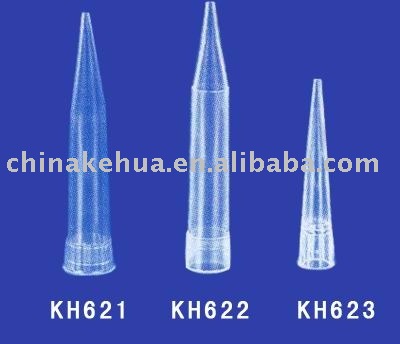
Evaluating supplier qualification is essential for ensuring the reliability and consistency of floating Skagit tips. Buyers should assess the supplier’s manufacturing capabilities, including their production capacity, quality control processes, and experience in the fishing tackle industry. Suppliers with a history of producing high-tolerance plastic products, such as medical pipette tips, may have the technical expertise to produce fishing tips with consistent dimensions and material properties. However, buyers must verify that the supplier has specific experience with fishing accessories, as the performance requirements for fishing tips differ significantly from those for laboratory equipment. Requesting samples and conducting independent testing can help validate the supplier’s claims regarding product quality and durability.
Quality control measures should be clearly defined and documented by the supplier. Buyers should inquire about the supplier’s inspection processes, including incoming material checks, in-process inspections, and final product testing. Some suppliers may operate in dust-free clean rooms, which can be an indicator of their commitment to precision and cleanliness, although this is more relevant to medical products than fishing tips. Buyers should also verify the supplier’s ability to maintain consistent color matching and material density across production batches. Establishing a clear communication channel with the supplier’s quality assurance team can help address any issues promptly and ensure that the purchased tips meet the buyer’s specifications. This proactive approach to quality control helps minimize the risk of receiving substandard products and ensures a smooth procurement process.
Long-Term Procurement Checks
Establishing long-term procurement checks is vital for maintaining a stable and reliable supply of floating Skagit tips. Buyers should conduct regular audits of the supplier’s performance, including on-time delivery rates, product quality consistency, and responsiveness to issues. Monitoring these metrics helps identify potential problems early and allows for corrective actions to be taken before they impact the buyer’s operations. Buyers should also stay informed about changes in the supplier’s product line, such as new color options or material improvements, to ensure that they remain competitive in the market. Regular communication with the supplier can foster a collaborative relationship and lead to continuous improvement in product quality and service.
Market trends and regulatory changes can also impact the long-term viability of the procurement strategy. Buyers should monitor developments in environmental regulations, such as restrictions on certain plastics or packaging materials, and adjust their sourcing strategy accordingly. Additionally, staying informed about advancements in fishing technology and angler preferences can help buyers anticipate changes in demand for specific types of Skagit tips. By maintaining a flexible and adaptive procurement approach, buyers can ensure that they continue to meet the needs of their customers while managing costs and risks effectively. This long-term perspective helps build a resilient supply chain that can withstand market fluctuations and regulatory changes, ensuring sustained success in the fishing tackle industry.
FAQs
What materials are used for these pipette tips?
The tips are constructed from rubber and plastic materials. Some specific models utilize glass or plastic exclusively. This ensures durability and chemical resistance for laboratory applications.
Are these tips available with customization options?
Yes, customization is available for these products. Buyers can request specific modifications to meet unique laboratory requirements. This flexibility supports diverse experimental needs across different facilities.
What is the standard packaging for these items?
Packaging details vary by model but often include inner PE bags and outer cartons. Some units come in boxes containing 96 pieces per rack. Bulk cases typically hold multiple packs for efficient shipping.
Can these tips be used in robotic systems?
Certain models are designed to be compatible with robotic systems. They support automatic and robotic applications in high-throughput environments. This feature enhances efficiency in large-scale laboratory workflows.
What certifications do these products hold?
Products may hold certifications such as RoHS, ISO, and CE. Some manufacturers adhere to ISO13485 standards for medical devices. These certifications ensure compliance with international safety and quality requirements.
Where are these products manufactured?
Manufacturing origins include locations in Dongguan and Jiangsu, China. Some products are sourced from Shore locations. These regions are known for producing high-quality laboratory consumables.
Are these tips disposable or reusable?
The product line includes disposable options designed for single-use applications. This ensures sterility and prevents cross-contamination between samples. Disposable tips are ideal for medical and hospital settings.
What volume capacities are available for these tips?
Available volumes include 10 microliters and 300 microliters. Specific models offer extra long designs for specialized pipetting tasks. Multiple sizes ensure compatibility with various laboratory equipment and protocols.